The patterns I still carry, the ways old experiences can show up in the present, and my effort to sort out what I am remembering from what is actually happening now. Recovery, pattern recognition, regulation, and slowly gathering new evidence.
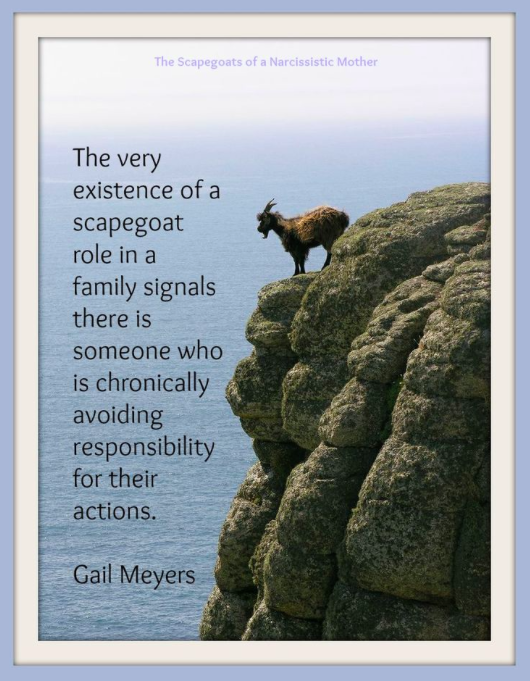
The presence of a scapegoat reveals what others refuse to face.
My sons learned, by design, to have zero tolerance for their mother. Ordinary acts of parenting—direction, correction, consequences, even simple questions—were rejected and reframed as manipulation or control. I once read a message from their father telling them, “Disregard your mother.” And they did. Their dismissal was not only permitted but modeled, reinforced, and quietly supported by people who positioned themselves as adversaries. During months of medical crisis—unmanaged pain, heavy medication, complications, emotional collapse—I was met with silence. I lost forty pounds.…

A reflection on how deprivation compounds—and how awareness interrupts the cycle.
The Path that Formed Me I didn’t “pick bad people.” I picked familiar nervous systems—people whose emotional vacancy felt like home, because that’s what I learned from the people I loved and needed most. I’m tracing a path laid out long before I understood it. Neurodivergent, highly sensing, physically and emotionally reactive to things others barely notice. My discomfort didn’t fit the acceptable range. It wasn’t seen as different, but as wrong. And the fear of consequences for that discomfort…

“If you’re not at the table, you’re probably on the menu.” Recognizing patterns of exclusion, scapegoating, and manipulation in families and groups helps illuminate how power imbalances and binary thinking target those who speak up or stand apart.
The Binary World I Grew Up In In my family, things weren’t simply liked or disliked—they were either the best or the worst. No middle ground, no “not for me.” If you didn’t love something, you had to hate it. Once something was labeled right or wrong, it became collective truth. Everyone had to agree—or at least pretend to. Questioning, hesitating, or feeling differently wasn’t just disagreement; it was dissent. And dissent made you the enemy. That breach wasn’t corrected,…

False narratives often say more about what someone is protecting than about the person being described.
In connecting with other survivors of similar dynamics, I’m recognizing a pattern that seems less personal and more structural. In families and systems which rely on scapegoating, it’s apparently simpler to remove a wounded person than to acknowledge and repair what hurt them. Exile is the tidy solution. Repair would require humility, shared responsibility, and change. Removal does not. Visibility becomes an offense. Directness, sensitivity, and emotional earnestness aren’t acknowledged; instead, the person carrying them is quietly marked as the…