
Post-therapy processing.
I keep noticing a painful pattern.
When I speak directly—calmly, clearly, logically—it’s often received as aggression. Meanwhile, dishonesty softened with politeness, or harm delivered with a smile, is protected, even rewarded. In the past, I would escalate or collapse, distracting from the issue with my reaction. I don’t do that anymore, but the outcome is no better.
My existence itself starts to feel like the problem.
I’ve been labeled “demanding” or “confrontational” simply for asking direct questions or naming inconsistencies. Clarity seems threatening to those who rely on ambiguity. Without wiggle room, there’s no easy exit, so instead of engaging with the issue, the focus shifts to me for raising it.
Clarity isn’t manipulation—it’s an attempt to understand what’s real.
Passive aggression works differently. It dismisses boundaries, contradicts itself, or withdraws without owning the impact. If I react, my reaction becomes the headline. The harm vanishes, replaced by concern about my tone, my intensity, my feelings. That’s where the punishable feeling comes from—not because I’m wrong, but because I’m visible.
This is especially common for people like me: highly sensitive, neurodivergent, earnest. In systems that prize politeness over honesty, directness breaks the spell. Accountability is reframed as hostility. Repair is avoided. The story becomes that the person naming the problem is the problem.
My choices narrow: stay invisible, or be made into a spectacle. Neither feels safe or healthy.
I’m not interested in winning arguments or proving anyone wrong. I want movement, repair, the question: what can we do to make this better? Yet again and again, I meet people who want only rightness—debates about tone, form, correctness—because once rightness is established, nothing more is required.
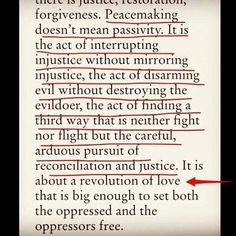
I’m still healing from how often my nervous system has been punished for my inability to play along. I’m learning not to disappear or become a spectacle. I keep seeking a third way.
I want to believe that in healthy systems, directness doesn’t equal war, disrespect, or danger. That standing without shame or silence isn’t audacious—or punishable.