
I’ve spent a lot of time thinking about the c-word….”conflict ” and also–avoidance and repair.
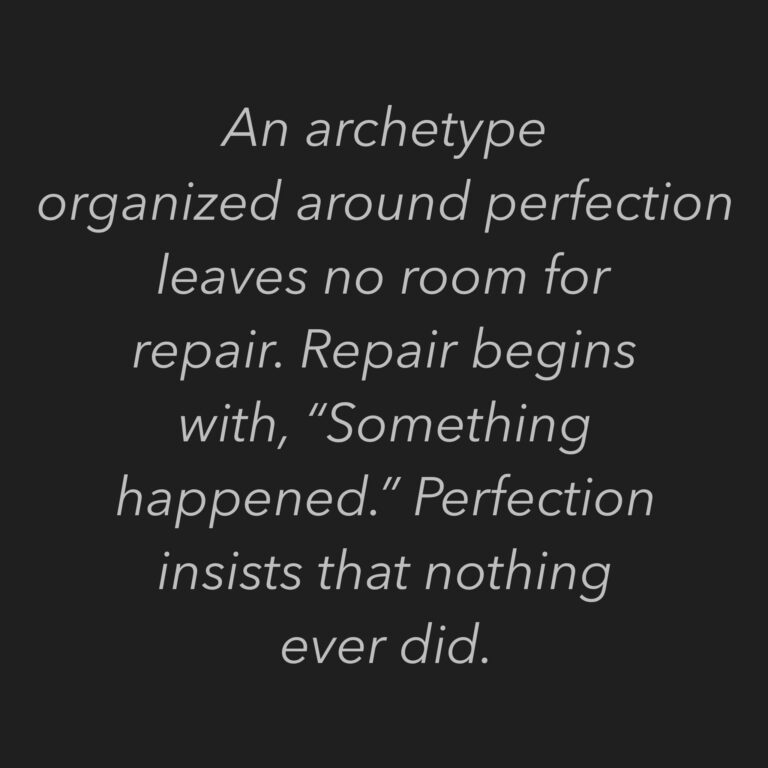
The archetype, to whom I have gravitated to like a moth to a flame, seems to have little room for either.
Being non-pleased feels unacceptable.
Causing displeasure feels unacceptable.
Being imperfect feels unacceptable.
So concerns don’t get raised directly. They leak out sideways through passive aggression, distance, stonewalling, or the preTENSE that everything is fine. The script for that: All good. Everything is fine. No worries. Of course. Perfect. No problem. Good vibes only. smile emoji lol
And if someone does directly bring up a concern, the conversation can quickly shift to intentions, perceptions, or disproving any negative impact in the first place.
I’ve lived inside enough of those relationships to recognize a clear pattern.
One conversation with Sweet Greg from years ago–went differently.
I brought up something that would have been disruptive to just about anyone. And he began his reply by explaining his intentions and my perceptions. I finally said, “If the only version of this conversation is the one where everything supports that you had no negative impact, our season has ended. Not because that issue was dramatic or catastrophic but because that manner of communication after conflict is one I’m too familiar with.”
That changed the conversation.
We stopped trying to establish innocence.
We started talking about the impact, which is unmitagted by intention.
Neither of us had to be the bad guy.
Neither of us had to abandon our dignity.
After that, we spent the next six years intentionally getting better at repair.
Not because we had constant conflict.
Because neither of us had to wonder.
If something landed wrong, we said it.
If one of us missed the mark, we talked about it.
If an apology was needed, it wasn’t treated like a character indictment.
Those moments were not dramatic.
Most of them were like paper cuts, as far as gravity.
But a thousand paper cuts can finally erupt by with irreperable injury.
Left alone, “paper cuts” have a way of becoming stories that the cutty tells themselves about how little they matter.
Addressed early, they become moments of understanding.
Maybe that’s what repair has felt like to me.
Not the absence of conflict.
The absence of guessing and ruminating.
The freedom to ask, “Did something happen?” without fearing the question itself.
The freedom to hear, “That landed differently than you intended,” without feeling like either person has to lose.
It became natural to laugh at ourselves, own our blind spots, and keep moving toward each other instead of away from each other.
That kind of repair didn’t make either of us perfect.
It made us close.
I’ve only experienced that kind of relationship a handful of times.
I think I understand something now that I didn’t then.
For me, relationships no longer end because of conflict or a fight.
For me, the season has concluded when evolving and expanding have stopped.
When there’s not room to speak truth, make an adjustment, extend grace, laugh at ourselves, or discover a better way of loving each other. Or maybe the season just ends, but not because of a fight. And nobody is left to wonder, what did I do or what is going on?
Whatever else may be true, this is my experience.