How a Narrative Protects Predatory Behavior
The Branding Becomes the Lens
I notice something happening in real time: the story about a person begins to matter more than what that person actually says and does.
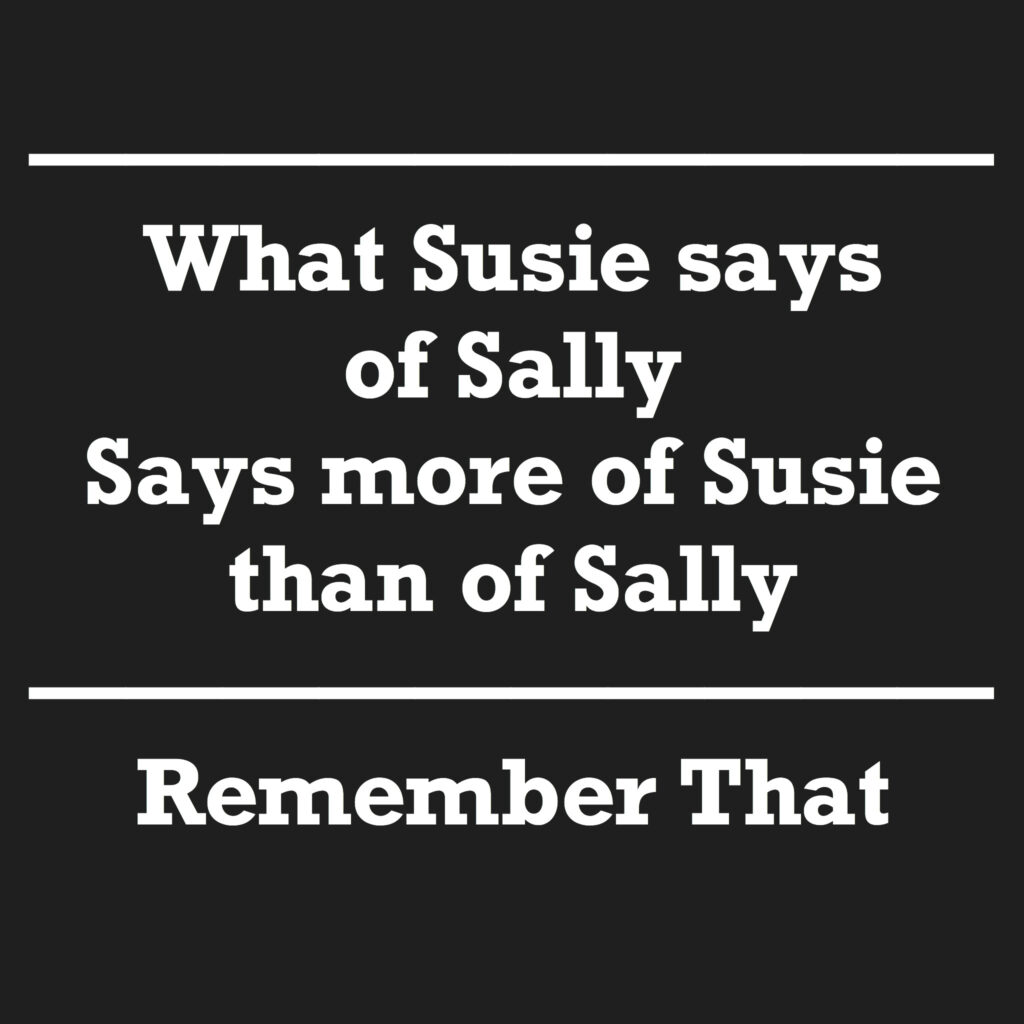
Someone is spoken to or about, characterized, or addressed in ways that are diminishing or harmful, often through language that creates a narrative and seems aimed at giving others a shared lens through which to view that person.
This is the branding. The packaging.
A version of someone is created through discrediting language, and from there a trajectory takes shape.
The branding works only by contrast. The more someone gets cast as confused, reactive, or inherently problematic, the easier it becomes to position someone else as reasonable, credible, and deserving of protection.
That contrast creates cover. Behavior that might otherwise have to stand on its own can be explained in relation to the person who has already been positioned as the problem. What is directed at that person can be framed as understandable, necessary, provoked—or simply immune to examination.
The branding does more than shape perception. It can create a kind of moral permission. Once someone has been cast as difficult, unstable, untrustworthy, or somehow responsible for the conflict around them, behavior directed at that person can begin to seem more understandable, necessary, or excusable. The characterization becomes part of the justification. Harm no longer has to stand entirely on its own because the person receiving it has already been positioned as the problem.
The structure creates an epistemic imbalance.
One person is vested with credibility. The other has to prove that what she saw, heard, felt, or experienced even counts.
The branding becomes the lens.
And once the narrative becomes self-sealing, contradictory evidence does not weaken it. It can simply be absorbed.
If someone defends herself, she is defensive.
If she becomes emotional, she is unstable.
If she seeks clarity, she is difficult.
If she withdraws, she is withholding.
If she reacts strongly, the reaction becomes proof that the original characterization was right.
This is what makes the role impossible to escape.
It is not a self-fulfilling prophecy in the usual sense because the story does not originate with the person being branded. It is imposed from outside, then reinforced by the way that person’s behavior is characterized through it.
Behavior and messaging produce a reaction, and no matter how measured, any response can be used to solidify the unfavorable narrative.
And the narrative protects the next behavior.
Harmful behavior directed at someone gets converted into evidence about that person’s character.
Reality gets outranked by narrative.
That distinction matters.
It does not mean every reaction is good or proportionate. A person can be reactive. Say something regrettable. Misunderstand something. Be wrong.
But one person’s behavior belongs to that person.
And someone else’s behavior belongs to them.
Those two things can exist in the same room without one being used to erase the other.
The conversion can be difficult to recognize while it is happening.
Something hurts or creates confusion.
There is a pull to explain. To prove there is a reasonable basis for being upset. To establish that the person is not crazy, confused, oversensitive, or whatever version of the branding is currently being applied.
Someone can be considered difficult and still have been treated badly.
A person can react imperfectly and still have been responding to something real.
Accountability for one person’s behavior does not require accepting responsibility for someone else’s.
And whatever else may be true, this is also a lived experience.