May I Remind You?
Different people. Different circumstances. Continued familiar patterns.
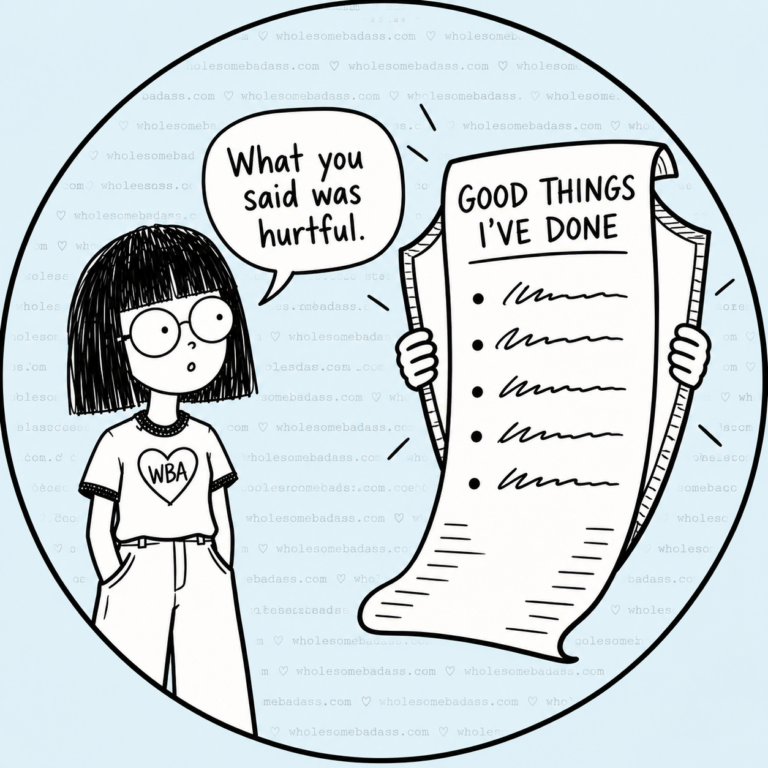
A few months ago, I said to my neighbor, “Hey, when you said X, it hurt my feelings.”
Her response? “May I remind you…” followed by a list of ways she’d been helpful to me.
I still don’t know why her response stunned me. It was entirely consistent with a familiar archetype: the person who expects things to automatically go their way and has no tolerance for frustration, disappointment, or anything that challenges their preferred version of themselves.
And 100% of the time, with this archetype, my direct expression of hurt is received not as information about my experience or how our connection has been affected, but as an accusation to defend against or a claim to debate.
Interesting, though. We’d each been generous and helpful to one another. But I’d never considered my generosity protection against accountability.
I’ve read about rejection sensitivity and narcissistic traits, particularly the need to be right, entitlement to having things their way, and the insistence on a narrative in which they can only be the hero or the victim.
I’m increasingly interested in recognizing and understanding the patterns rather than proving anything about specific people.
Since when does being helpful mean you can’t also have been hurtful?
Both can be true.
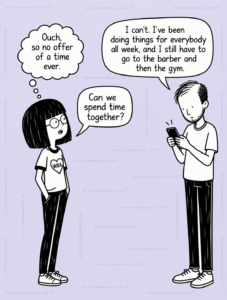
And similarly—Have you ever known someone who would only say “No” to a request along side listing all of the things they’d done for others or everything they “had” to do? Or who offered a reluctant yes or vague maybe when they already knew the answer was no?
But with no thoguthful pause to genuinely ask, “Can we figure out a time that works for both of us?”
Also, I do not discount that going to the gym and getting your hair done are legitimate needs.
I find the long narrative that presents them as both the heroically generous and the overburdened victim to be unwholesome.