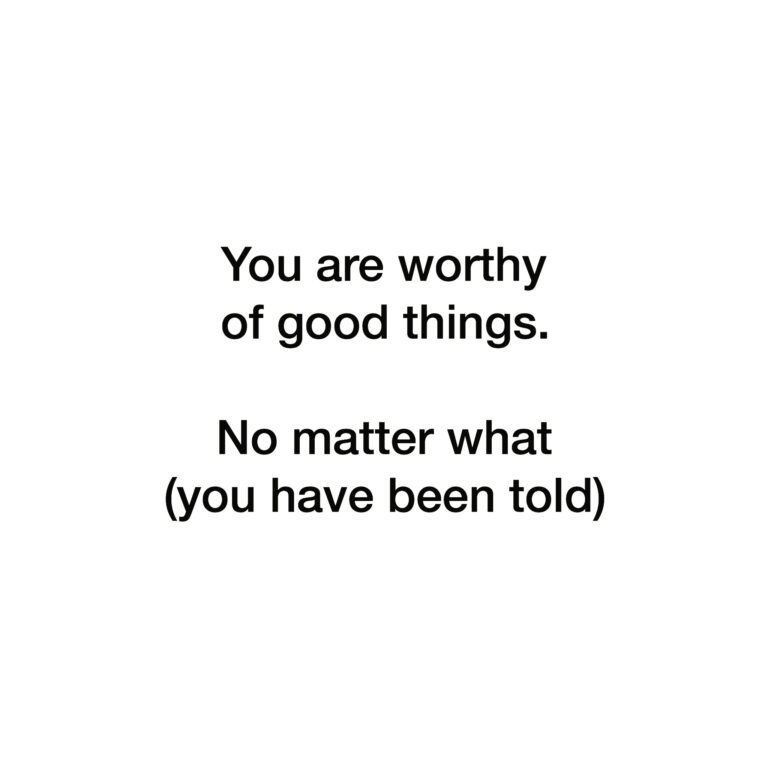
If the people we looked to for love and protection imposed traumatic shame for our failure to conform or submit, that was a breach of their power. They were wrong. Period. Maybe not evil—but wrong.
If wrestling with pain was treated as weakness or disobedience by those we relied on to raise and teach us, we learned that expressing feelings was bad, broken, troublesome, shameful. We learned fear—and perhaps became bullying or mean-spirited ourselves. Maybe we managed the pain through obsessive or addictive behaviors… or maybe we just disintegrated.
Recovery gives me permission to re-examine and honestly share my early teachings and beliefs—childish at best, narcissistic and bullying at worst.
Being forsaken by my mother and her family was as painful as it was defining. They were my first important people, showing me exactly how little I mattered, and what I was not allowed to feel—seen, loved, wanted, connected, or safe. I am not wrong for feeling hurt. I did not deserve that.
I reflect regularly on one of the more significant violations, because of its lasting effects on my children. Two emotionally similar people colluded to hurt me in a particular way, and by proxy, this caused excruciating harm to my children.
The persecution did not occur because I earned or caused it—it occurred because hurt people hurt people. I am not so mighty that I could provoke otherwise benevolent people into dehumanizing, abusing, or marginalizing. Mistreatment begins with the perpetrator, not the target.
That betrayal does not mean it happened because of me—because I am unworthy, inferior, too much, or too sensitive. I am rightly hurt by emotional violence, and I reject the messaging that I am responsible for the behaviors of others.
Because I was indoctrinated this way, I too was harmful. I naturally dismissed my own bad behaviors as merely consequences of what someone else did or didn’t do. That is the sick training. Brokenness. Once I knew better, I did better.
In scapegoating families, it is often believed: “You are either with us or against us” and “You/he/she got what they deserved.” This is how abuse gets normalized. Being abusive and diminishing is not healthy, sane, or normal.
By sharing my experiences, I connect with others recovering from systems that demanded denial and contraction as terms of engagement. I embrace and send the message that this experience does not make a person terminally flawed, unique, or alone. It is more common than abusers would like us to believe.
I can list 10,000 ways I have failed, disappointed, hurt, changed, and repaired. My willingness to do so is the distinction between my family of origin and myself. I have difficult and strong feelings. I make mistakes. I am human AF—and breaking the sick cycle, one day at a time.