Thoughtful Cruelty
I obssess reflect often on how my reactions to trauma—my insecurity, shame, and depression—were treated harshly by the very people I depended on. I was openly and collectively labeled as negative and difficult, as if that somehow justified diminishing me and showing me all the ways I didn’t count. That trauma lasted for decades.
I also acknowledge that I carried my unhealed trauma into the world and tried to flip the script—trying to be the one in control, the one who dismissed before being dismissed. I’m not proud of that. I’m 52 now, and thankfully I know better and do better. There is no excuse for being abusive.
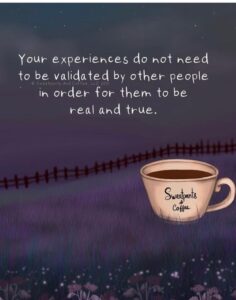
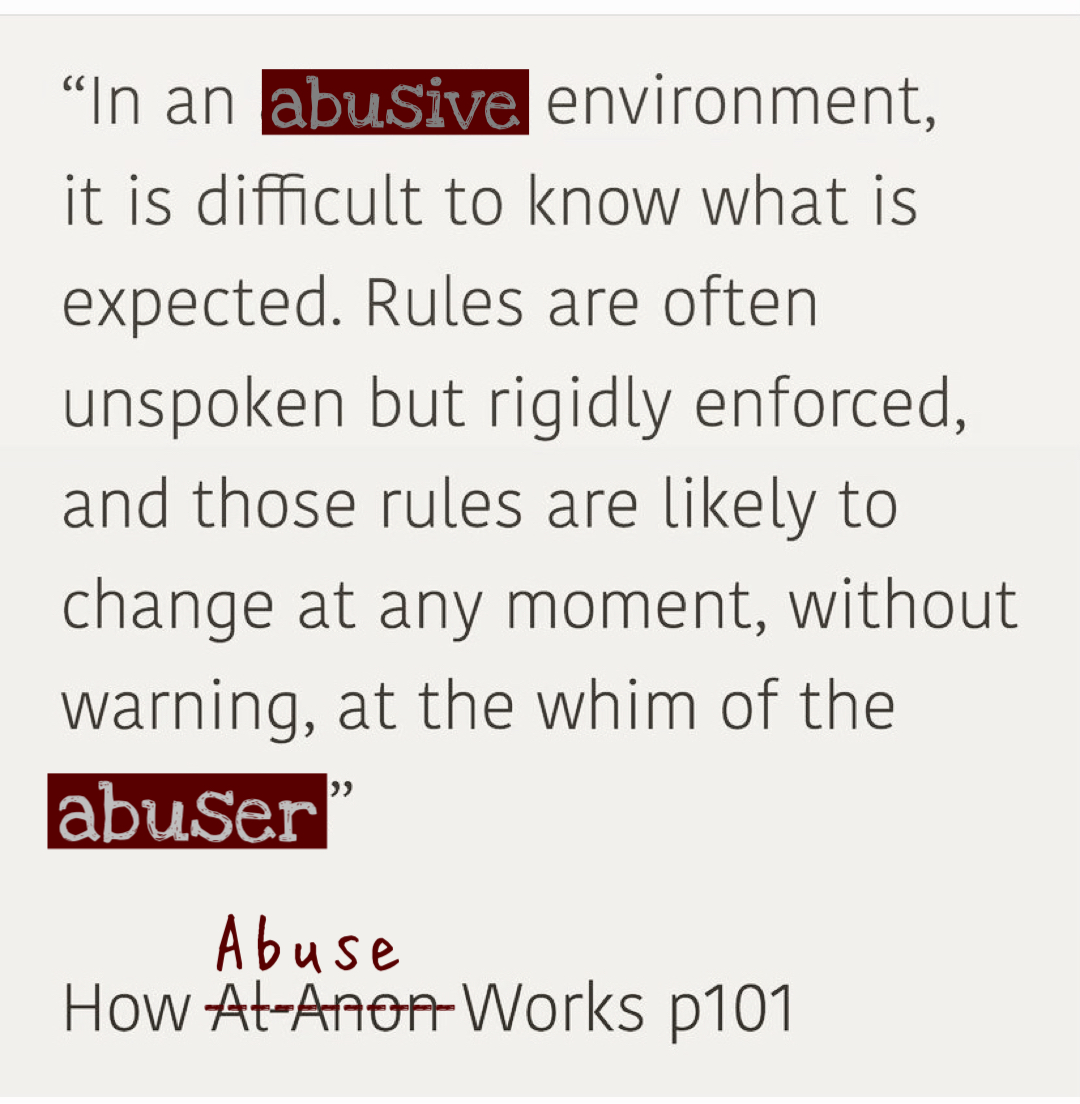
In my family of origin (and later in my equally unhealthy marriage), I was constantly invalidated, scolded, or handled like a problem to be managed. My visible discomfort was treated as villainous, weak, punishable, or morally unacceptable. It was considered inadmissible.
Recovery keeps teaching me that I don’t have to feel happy or “positive” to deserve love or good things. My life is blessed in many ways now, including being surrounded only by kind and loving people. I honor those blessings with gratitude. And in recovery, we learn that gratitude cannot be extracted by forcing someone to pretend to feel differently than they do. That’s not gratitude. That’s emotional blackmail. Conditional acceptance. Whatever it is, it’s toxic and traumatic.
There were long stretches of my life so dark that I was too broken to appreciate anything, much less enjoy it. Today, I appreciate many things but enjoy very few. That’s recovery. That’s depression.
Depression is real, difficult, and traumatic—especially when failing to hide it puts you in the crosshairs of the very people meant to care for you.
I am unapologetically imperfect, emotionally complex, and actively healing. My self-examination is no longer about being heard, believed, right, good, or better. This is just me trying. Period.
Recently, I made the mistake of rewatching the George Floyd video and felt crushing sadness for living in a world where Derek Chauvin could look directly into the camera while publicly killing a man. He acted with certainty that he would be supported and protected—because he was being supported and protected by fellow officers and by those who still argue for his “right” to do what he did. Even if Floyd had just committed a crime, what happened was neither legally nor morally acceptable.