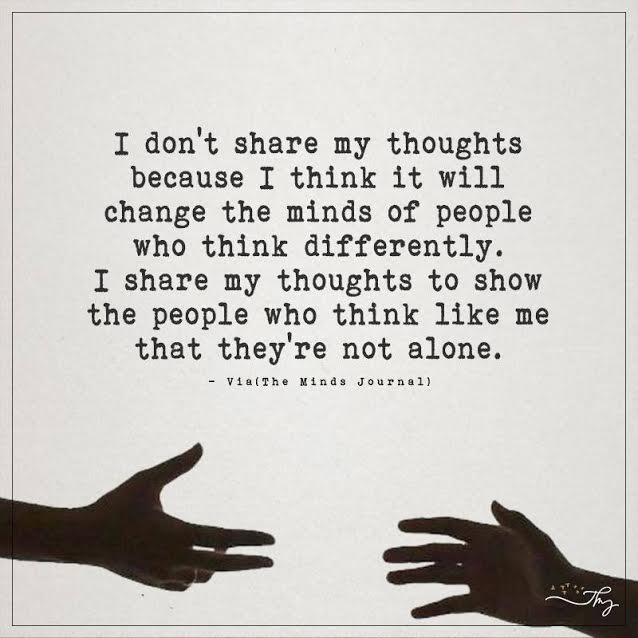
Me too. Not necessarily hashtag‑MeToo, but “me also”—and sometimes, yes, #metoo. Since I no longer attend live, face‑to‑face 12‑step meetings, this is my meeting. What I always got from in‑person meetings was hearing people articulate feelings and experiences that I had never been able to put into words. It’s a pivotal moment when you realize you are not terminally unique, not alone with the pain and confusion that saturate every relationship touched by addiction, abuse, neglect, or mental unwellness.
Before recovery—just as my family preferred—I believed it was only me. But it wasn’t. It may have been me, but it was never just me. That sickness started long before I was born. Scapegoating and having a designated black sheep allow a family to avoid acknowledging its own dysfunction. It would have been nice not to have to choose between genetic family and wellness. But as the black sheep, I saw no other healthy option.
I keep reading the stories of others who are brave enough to offer their “me toos.” From them, I’m learning to share in ways that create connection and affirm the reality of lived, overlapping experiences. I write only for the people who need and want connection in this sacred space called vulnerability.
Some people insist that speaking about an awful thing is the same as giving it power—like naming it makes it real. But naming it and speaking it out loud actually gives us power over the thing.
I avoid anyone whose vibe says, “Ew, not me. Those things don’t happen to people like us.” The royal‑we crowd. The “above it all” people who kiss up and kick down, who need to feel superior to avoid discomfort, awkwardness, struggle, or emotional exposure. If pain and awkwardness are for “weak losers,” then the solution becomes simple: cause pain and awkwardness in others so you can stay above it.
There are people like that. Thankfully, we don’t have to stay married to them or bound to them.