My sons learned, by design, to have zero tolerance for their mother. Ordinary acts of parenting—direction, correction, consequences, even simple questions—were rejected and reframed as manipulation or control. I once read a message from their father telling them, “Disregard your mother.” And they did. Their dismissal was not only permitted but modeled, reinforced, and quietly supported by people who positioned themselves as adversaries.
During months of medical crisis—unmanaged pain, heavy medication, complications, emotional collapse—I was met with silence. I lost forty pounds. I couldn’t sit, stand, or lie down without pain. Without sleep, I struggled to function. My children showed little response, a kind of learned distance. My medical devastation wasn’t received as a call for care, but seemed to reinforce the narrative they had been taught to hold.
Soon after that year of collapse came two heart attacks—more data, more interpretation, more judgment. I can hold compassion for how my children were shaped without accepting mercilessness as something I choose to live near. My healing has required restraint, even when injustice invites engagement. Over time, my options narrowed to two: escalate or collapse. In that narrowing, the structure became clear. Conflict was the point. They wanted a war—because war produces a winner and a loser, and in war, restraint is a liability.
There is no framework of love or care in which it is acceptable to erase a parent. Participating in any activity that knowingly divides children from a parent is emotional violence.
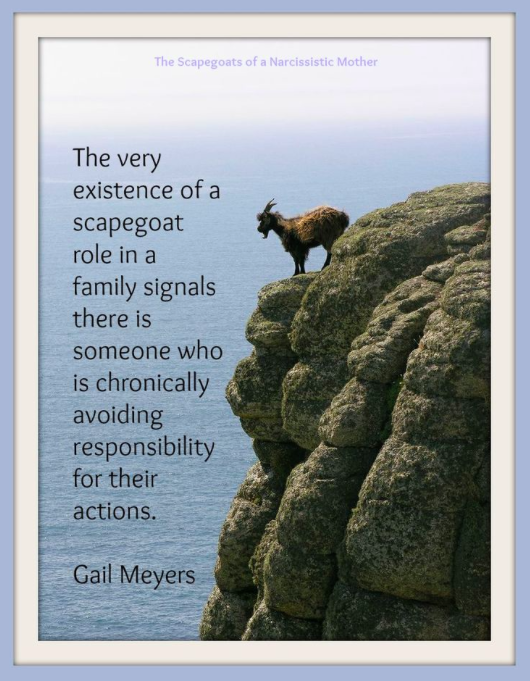
I continue to learn about the generational dynamics of scapegoating and parental alienation. I recognize myself in the stories of others whose former partners aligned with extended families in campaigns framed as concern—please pray for her, we’re worried—while undermining, diminishing, and dividing.
