An Ordinary Moment, a Trauma Response
My lived experience offered no assurance that I—or anything—would be okay. At a subconscious level, I suspected I might have less trouble if I could just get better at saying no and ouch, because those consistently caused trouble. I was not a discreet or well‑adjusted abuse‑getter.
I was overwhelmed and overstimulated most of the time. The house was loud with fighting, NPR, opera, the stench of lamb and garlic, and the visual chaos of unsightly knickknacks and “art.” Sensory and emotional impact were constant and intense. I am porous, permeable—or as they liked to call it, thin‑skinned (and diabolically selfish).
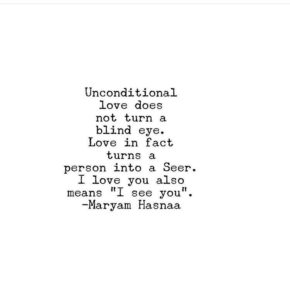
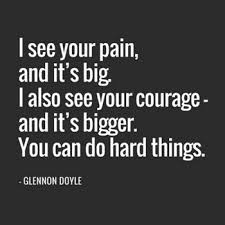
I didn’t have a nurturing, protective adult saying any version of: I’ve got this. I’ve got you. It will be okay. Only through 12‑Step recovery was I able to parent in those ways—not perfectly, but in ways diametrically opposed to my own experience. And that threatened a system that demanded reverence above all, even above my children’s needs.
What was most often punished were my outward reactions to being overwhelmed, diminished, and disregarded.
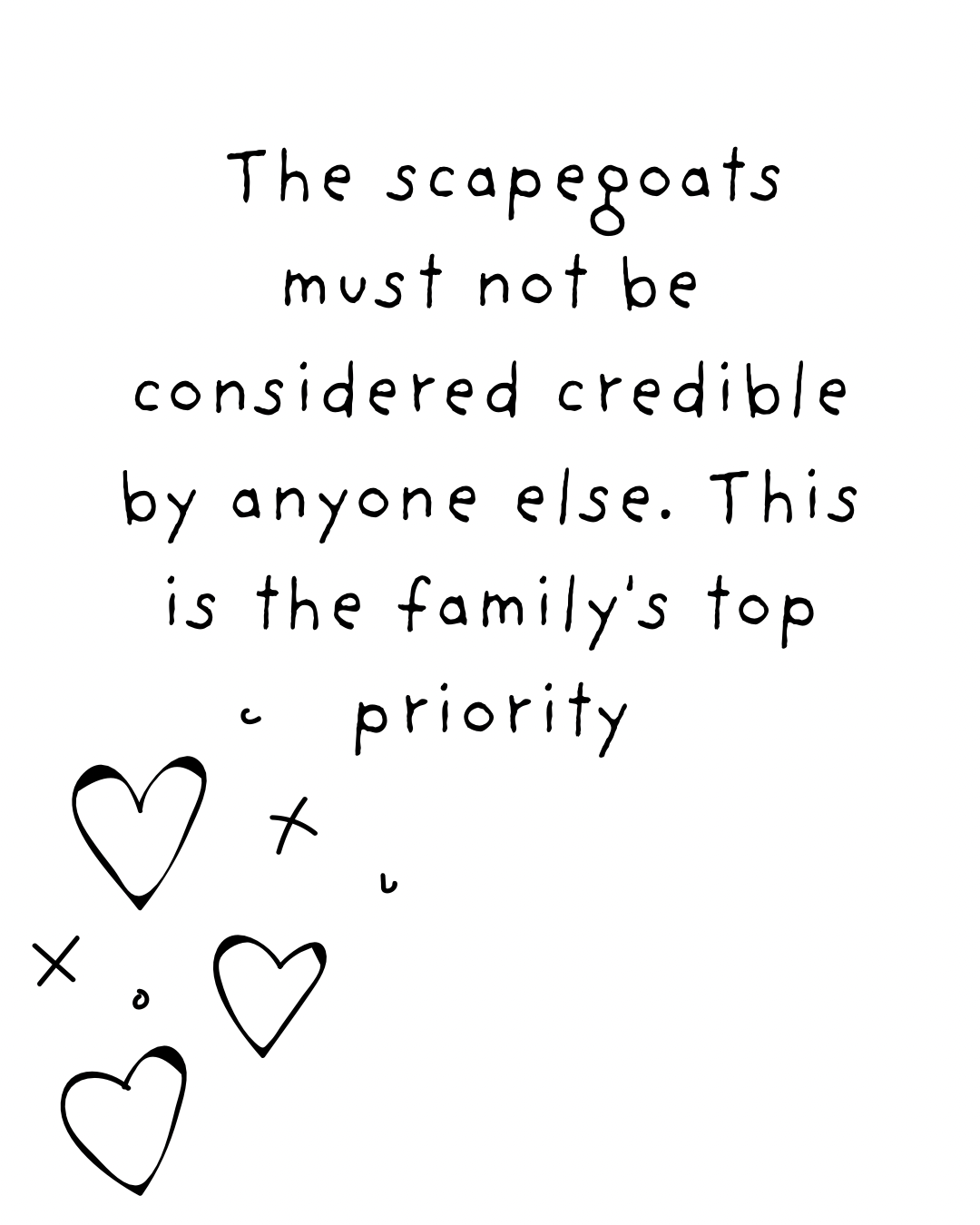
I had every tell of a child experiencing abuse, gaslighting, and scapegoating. I learned maladaptive ways of surviving a home with a protected abuser. To counter my visible anxiety and vigilance, my “family” labeled me paranoid, angry, negative, dramatic, hysterical, oversensitive. Because if I was those things, then I was the problem—not the abuse.
What I’m finally coming to understand: trauma, neurodivergence, and ADHD overlap and live in the nervous system. I’m now accessing the language and support.
C‑PTSD doesn’t live in my past. It lives in my body. My nervous system. My reactions.
It doesn’t take holidays or special occasions off. I don’t choose when I’m triggered. I don’t choose how intense it is. I don’t choose my first reaction. Sometimes the tools help. Sometimes they don’t.
A trigger isn’t always big. Sometimes it’s small. A sound. A smell. Light hitting something just right.
A few weeks ago at the market—crowded, loud‑ish—I was waiting in line. Nothing was happening. Then a well‑dressed woman on her hot pink bejeweled speakerphone stood too close. Close enough that I could smell her. My body stiffened without consent. Fight or flee.
And this was on a day when I was well‑rested, well‑fed, not too warm, not rushed, not needing a restroom. Any additional input would have crashed my system. I would have had to leave without checking out.
But with some capacity left, I closed my eyes. Counted my breaths. Tapped my fingers. Went through checkout. I made it—and I was spent.
Technically, nothing happened. Not if you were watching. And yet the pressure on my CNS might have compared to the stress level a neurotypical person feels during a mortal threat. Intellectually, I knew there was no danger. A dysregulated nervous system is not rational and does not care.
I needed the rest of the day to discharge and recover from that energetic overload.
This space is a sanctuary, a place where we cannot be silenced or erased. If my experiences or sentiments resonate with you and you feel like sharing or connecting, please feel free to reach out. No pressure, always, I’m down to listen. Message me anytime 🤍🤍🤍 wholesomebadass@gmail.com