
In the past month:
My boys’ father met a woman, requiring him to stay out late on school nights—past 10 and even 11—leaving the boys home alone to go to bed, not knowing when he might return. He only has them every other week. This is neither necessary nor ok.
He whisked them away on a last-minute weekend trip to the mountains to meet her, with everyone staying in the same house.
My older son’s continuing numbness in his legs and feet required a neurology visit. The neurologist mentioned the possibility of Multiple Sclerosis and recommended an MRI to rule it out. Their father texted constantly with the new woman throughout the visit and did not report a single detail to me, even when asked directly. Not even the mention of MS, which had been said in front of our son. He engaged in minimal dialogue with him before returning him to school to finish out his day—with the possibility of MS hanging over him.
He did not comfort him.
I imagine he promptly contacted others to share the news and receive compassion for himself.
Regarding the rushed introduction: the mountain cabin meeting yielded predictable results. It made my older son uncomfortable. His discomfort was met with repeated shaming and extended cold silence. He was told his discomfort was the problem—that he was the problem—and that others agreed.
Expecting children to perform comfort for an adult’s new relationship is not love.
After tearing him down, his father said, “Well, there go my New Year’s plans,” as if that were relevant to our son’s pain.
When relationships fail, that belongs to the adults—not the children.
When I introduced Sweet Greg, I waited six months before mentioning him. Two more before a casual park meeting. Four more before seeing him again. It has never been my children’s job to make an adult feel welcome or secure.
My children are not emotional support systems for adults.
Last night, there were dinner plans with the woman of one month. My son was panicked. He texted me early in the evening: “I am trying to be different and I can’t.”
That sentence crushed me.
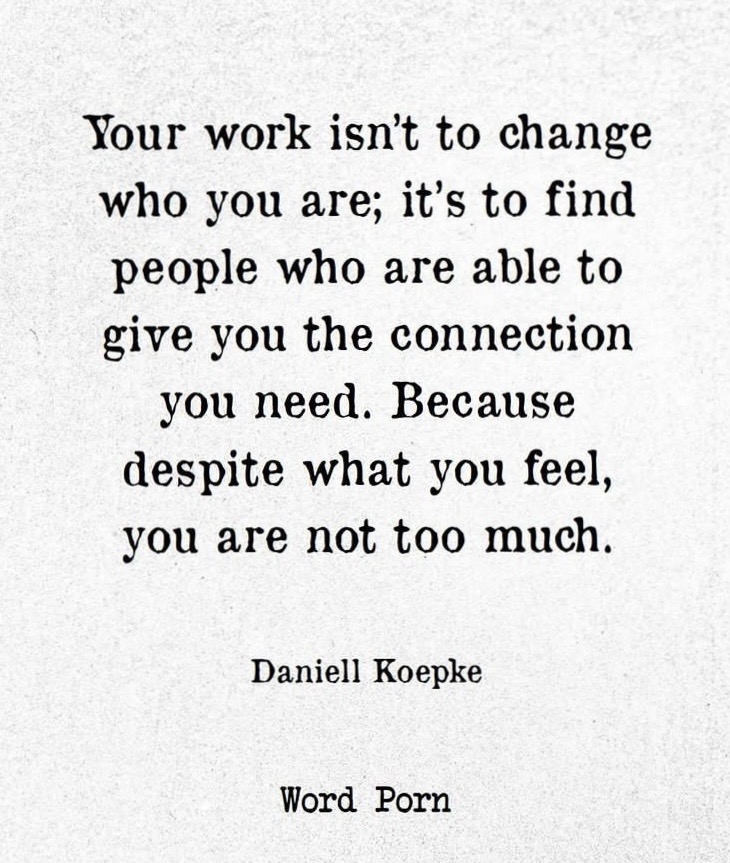
Fortunately, he has allies. People who see him, hear him, and comfort him.
This emotional tyranny—the obsession with image and control—is a legacy. A cycle.
It must end.
My mother and sister responded similarly to my discomfort and requests. Not with curiosity, but with rage. As if my feelings threatened their authority. As if control itself were the goal.
There was constant resentment toward my unwillingness to stop being sensitive and assertive.
My son is like me in this way.
But he has something I did not have.
He has witnesses. Allies. Protection.
Me. Sweet Greg. Favorite. Others who love him without requiring performance.
Will it be enough?
Will I accept the truth of what I see, or continue breaking myself against it?
One more truth:
Rather than acknowledging harm, his father judges only the sharing of it.
I have lost my composure at times. I am imperfect. But I would never tell my children to hide their truth.
Silence does not heal trauma.
It protects it.
And this is all terribly familiar.