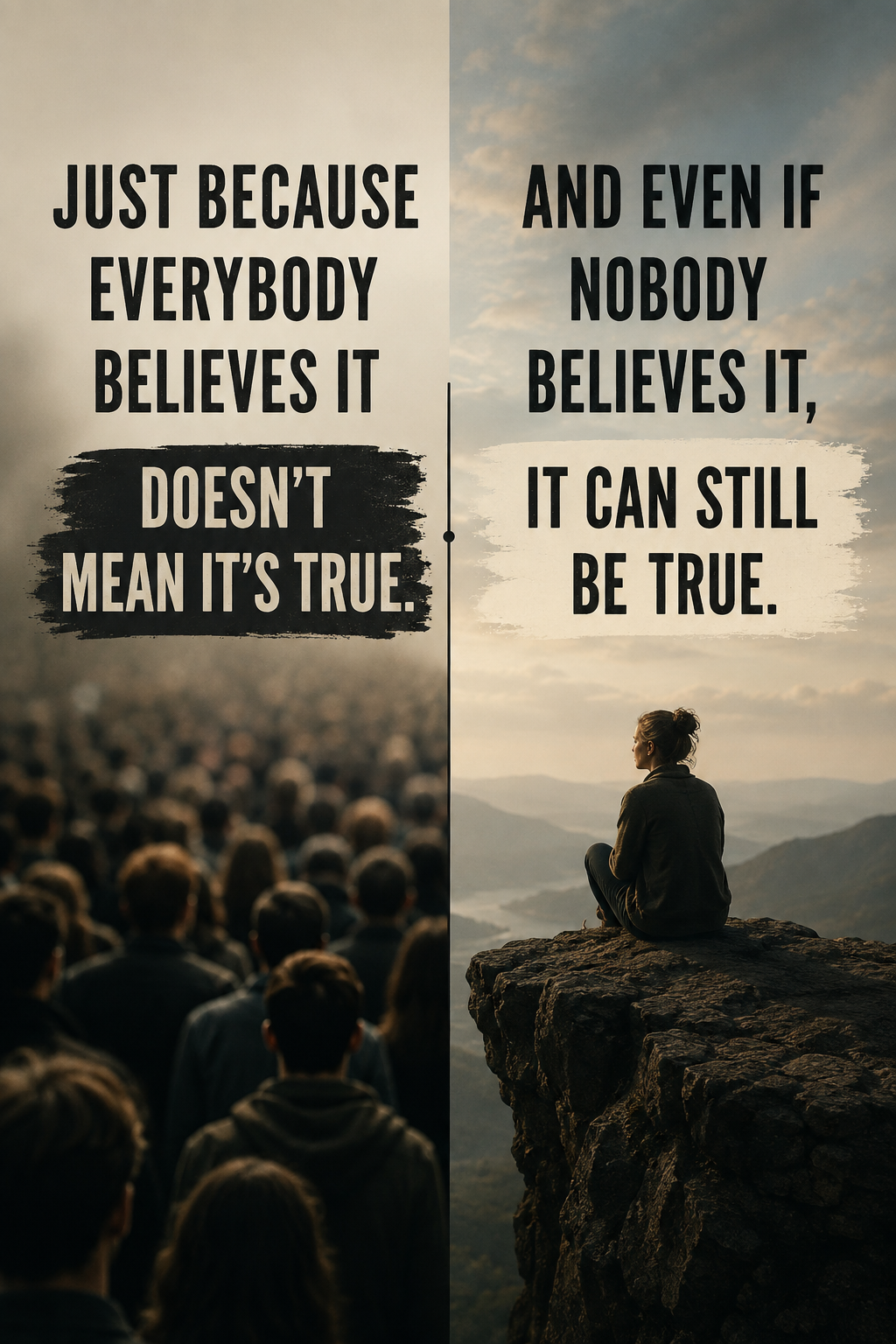
Something does not become untrue because somebody more influential tells the story differently.
I have spent a lot of my life ateempting to reconcile the version of events that prevailed with my lived experience.
Influence seems to determine which version is adopted and repeated.
A person with more influence can shape or manipulate how events are understood.
Their version becomes the more widely accepted narrative.
And those under that person’s influence tend to organize around it, as THE truth.
It shapes who is protected. Who is believed. Who gets the benefit of the doubt. Who belongs.
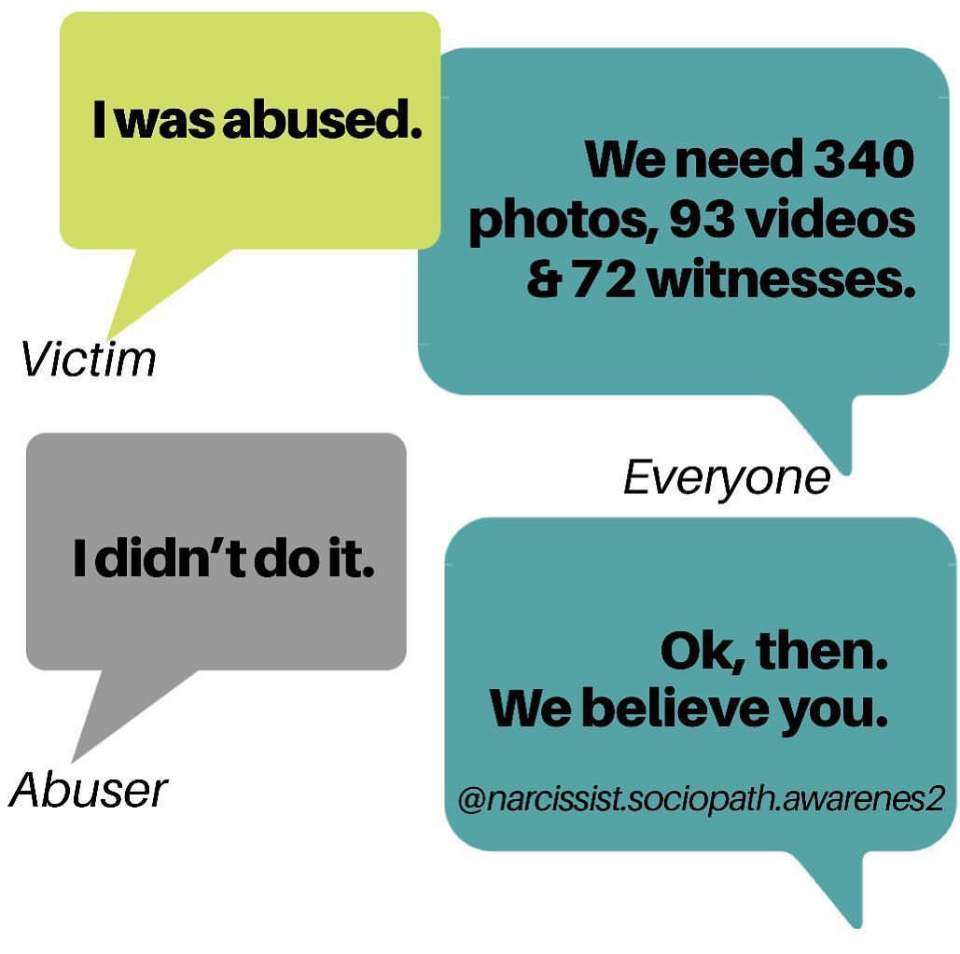
And sometimes, for one person to remain elevated within that narrative, somebody else has to occupy the lesser position.
Less credible. Less valid. Easier to dismiss.
Then anything that person shares of what happened gets heard through what has already been established about them—and becomes, at some level, inadmissible.
That’s the part—that part right there.
You are not only trying to process and overcome what happened.
You’re trying to tell it from a position where your credibility has already been diminished. Whatever else may be true, this also happens. A narrative can do more than determine what gets believed. It can determine who remains protected and included—and who becomes increasingly easy to disregard, diminish, and exclude.
How much of what we believe about someone comes from what we have actually experienced with them, and how much was already decided for us by the story we were handed?